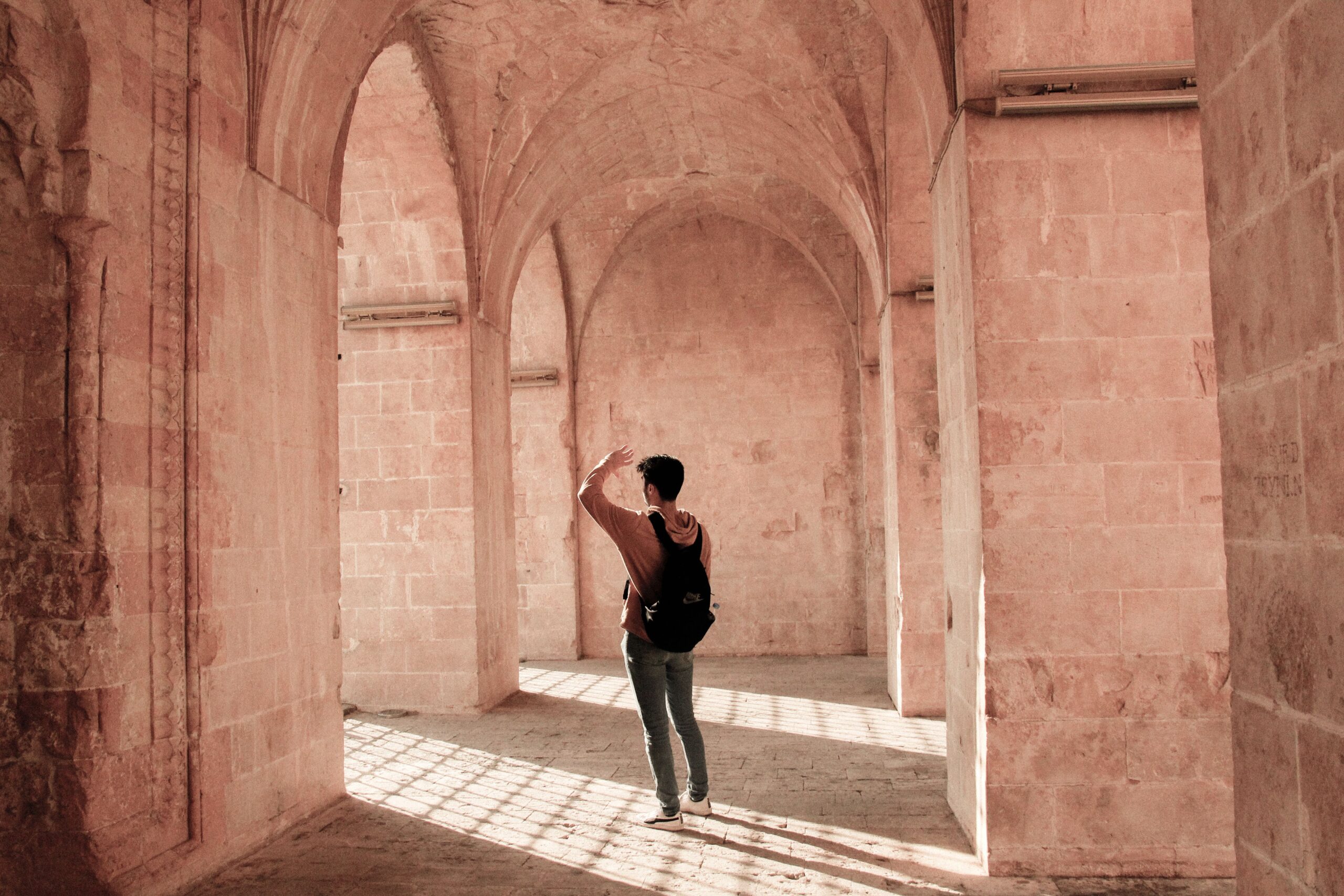
A street can appear completely ordinary until someone explains what happened there a century ago. An old building may look like little more than aging brick and stone until its original purpose becomes known. Even a quiet field can suddenly feel significant after learning that it was once a marketplace, settlement, industrial site, or gathering place.
History changes places without physically changing them. The buildings remain where they were, the roads follow the same routes, and the landscape looks much as it did moments before. What changes is the observer. New knowledge adds invisible layers to the environment, turning seemingly ordinary surroundings into places filled with stories, connections, and evidence of earlier lives.
Records Can Reveal What The Landscape No Longer Shows?
Modern landscapes rarely display their complete histories. Buildings are demolished, boundaries change, roads are redirected, and agricultural land becomes residential. Without documentation, earlier versions of a place can become almost impossible to recognize.
Historical maps, property documents, photographs, newspapers, and administrative records can help reconstruct these lost landscapes. Modern searches for resources such as the Kaveri Online Official Website also demonstrate how strongly information about land and property can be connected with particular places.
Once someone discovers that a modern apartment complex stands where a factory once operated, for example, the location may never look quite the same again. Knowledge provides an additional landscape that exists mentally alongside the visible one.
Names Begin To Carry More Meaning
Street names, neighborhood names, bridges, railway stations, and public buildings frequently preserve pieces of history. A name that initially seems arbitrary can become meaningful once its origin is understood.
Travelers and researchers might Visit Bhulekh Uttarakhand while looking for information connected with land in a specific geographic context. More broadly, investigating local names can reveal former land uses, prominent residents, geographic characteristics, occupations, or historical events.
A street named after a vanished industry can become a clue to the neighborhood’s economic past. A district name may preserve a much older identity even after almost everything around it has changed.
Learning these origins transforms names from simple navigation tools into fragments of historical memory.
Public Institutions Become Part Of A Larger Story
History is not limited to castles, monuments, battlefields, and ancient ruins. Schools, hospitals, government buildings, community centers, and other institutions also influence how places develop.
Contemporary programs such as Kanya Sumangala Yojana exist within specific social and administrative circumstances. In the future, historians may examine today’s institutions and initiatives to understand what communities prioritized and how public life was organized.
The same principle applies when exploring older places. A building that once housed a school may reveal changes in education. A former courthouse can provide insight into civic development. An abandoned railway building might explain why a neighborhood expanded in a particular direction.
Knowing an institution’s former purpose makes its architecture and location more meaningful.
Digital Sources Can Add Context Before A Visit
Learning about a place no longer requires beginning inside an archive or museum. Digital information allows people to investigate neighborhoods, properties, historic events, and local development before physically arriving.
A person may encounter a resource such as rtpsbihar.blog while navigating a completely different informational need. The broader availability of online information nevertheless demonstrates how digital resources have changed people’s relationship with geography.
Before visiting a historic district, someone can examine old photographs and compare them with current streets. Maps can reveal disappeared roads. Digitized newspapers may describe events that happened outside buildings still standing today.
This preparation changes the eventual visit. Instead of seeing an anonymous building, the visitor arrives already aware of the lives and events associated with it.
Land Can Hold Stories That Buildings Cannot
Buildings attract attention because they provide visible evidence of the past, but open land can carry equally significant histories.
A park may occupy a former industrial site. A shopping district might cover old farmland. A quiet residential street could follow the route of an earlier transportation corridor. Understanding land use can reveal patterns that architecture alone cannot explain.
People searching online resources such as www.pmkishan.net may be approaching information from a present day perspective, but agriculture, land management, and settlement have shaped communities for generations.
Learning what land previously supported can explain why roads bend unexpectedly, why property boundaries appear unusual, or why certain neighborhoods developed where they did.
Ordinary Buildings Become Historical Evidence
One of the most interesting effects of learning local history is that ordinary buildings become easier to notice.
A modest house may represent a construction style that was once common but has largely disappeared. An old storefront can retain traces of previous signage. Different brickwork may reveal where a doorway was removed decades ago.
Before learning this context, these details can seem insignificant. Afterward, they become evidence.
This is why local history often encourages closer observation. People stop looking exclusively for impressive landmarks and begin examining materials, alterations, boundaries, and architectural inconsistencies.
The place has not gained new features. The observer has simply learned how to read the ones already there.
Human Stories Create Emotional Connections
Dates and architectural facts provide context, but personal stories often change people’s perceptions most strongly.
Learning that generations of one family operated a neighborhood store can make an ordinary storefront feel significant. Discovering that residents gathered in a particular hall during difficult periods can transform an unremarkable building into a symbol of community.
Personal histories make large historical changes easier to understand. Industrialization, migration, economic decline, redevelopment, and population growth can seem abstract until they are connected with individual experiences.
A place then becomes more than evidence of what happened. It becomes evidence of how people lived through what happened.
Absence Becomes Visible
Historical knowledge also teaches people to notice what is missing.
After seeing an old photograph of a demolished theater, someone may mentally place it among modern buildings whenever they walk past the site. A vanished railway line can become imaginable once its former route is known.
This creates an unusual experience in which past and present occupy the same landscape. Empty spaces gain meaning because the observer understands what used to be there.
Sometimes absence can be more powerful than preservation. A surviving building provides something tangible to examine, while a disappeared one requires imagination to reconstruct.
Familiar Places Can Become New Again
People often assume that discovery requires traveling somewhere unfamiliar. History demonstrates otherwise.
A neighborhood someone has known for years can suddenly become interesting after learning why its streets have unusual names. A building passed hundreds of times can acquire significance after its previous use is discovered. Even familiar landscapes can contain boundaries and routes inherited from much older periods.
Historical knowledge effectively creates another way of seeing.
History Adds Invisible Architecture
Places are made from more than roads, buildings, trees, and boundaries. They also contain memories, previous uses, forgotten structures, individual lives, and decisions whose effects can remain visible generations later.
Learning history does not physically transform a location, yet it changes what the observer is capable of noticing. A wall becomes evidence, a street name becomes a clue, and an empty plot becomes the location of something that once mattered.
That is why a familiar place can feel unexpectedly different after its history becomes known. The present remains visible, but it is no longer the only version of the place you can see.